Whey protein problems solved
Most whey problems have a simple cause. How to find and fix bloating, wind, clumping, smelly shakers, an upset stomach and weight gain, what each ingredient on our label does, and when a tub is past its best.
Whey
Most whey problems have a simple cause. How to find and fix bloating, wind, clumping, smelly shakers, an upset stomach and weight gain, what each ingredient on our label does, and when a tub is past its best.
Whey
Whey protein problems usually have a simple cause: lactose, too much at once, gulping air, or a tub stored somewhere too warm and humid. This guide covers the common ones (bloating, wind, clumping, smelly shakers, an upset stomach and weight gain) and how to fix each, with the ingredients from Fuel Sync's whey label explained.
Whey bloating usually comes from one of five things:
Change one thing at a time, for three or four days each, and see what helps:
If symptoms are severe, include pain, or carry on whatever you change, see your doctor.
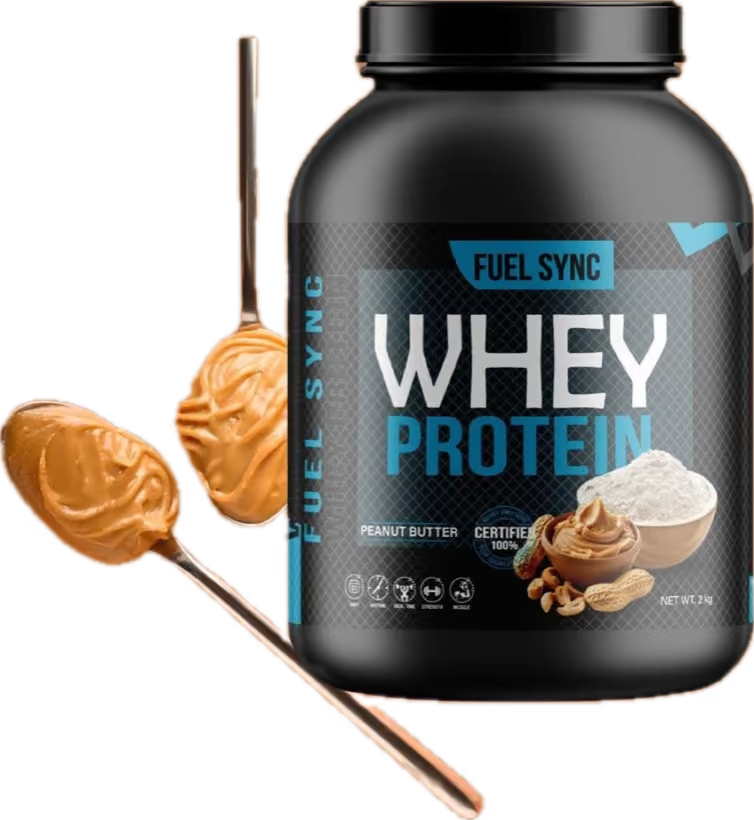
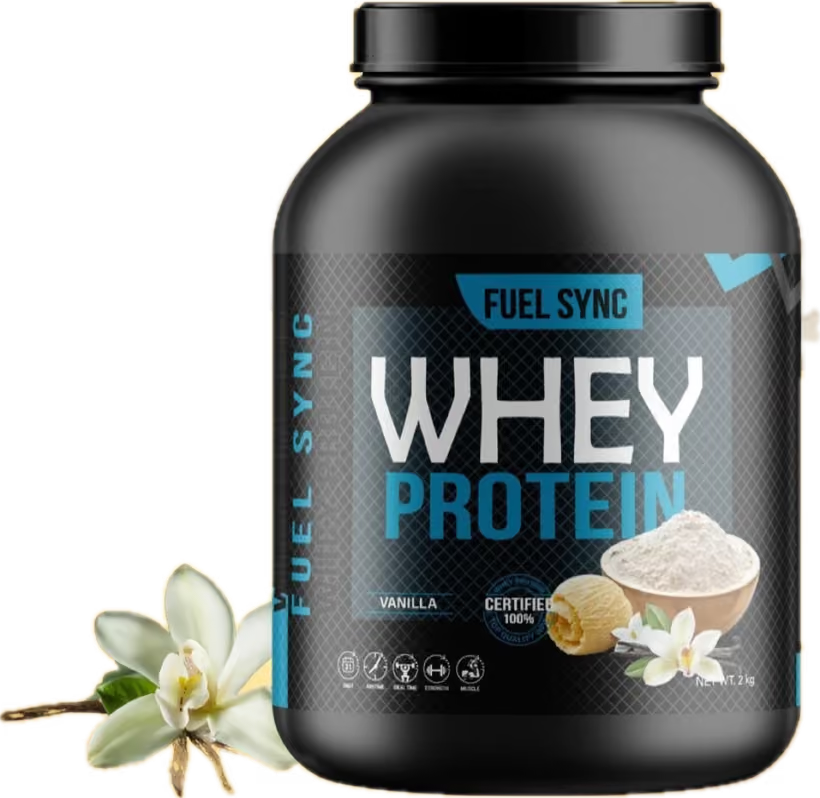
Fuel Sync whey lists every ingredient on the label. Here's what each one does:
Clumps in the tub mean moisture got in, usually from humidity or a wet scoop. In a Cypriot summer, a tub left open or kept in a warm kitchen can clump quickly.
Clumps in your shake usually mean the powder went in before the liquid. Pour the liquid first, add the scoop, then shake for 15 to 20 seconds. Avoid hot liquid, which makes whey clump. Clumping, heat and taste are not reasons any of our customers has returned a tub.
A shaker smells when milk or whey sits in it, especially in summer.
Constipation can happen if shakes replace fibre-rich food. Keep eating fruit, vegetables and wholegrains, and drink plenty of water.
Loose stools usually come from lactose (try water instead of milk), from too much at once, or from sweeteners in people sensitive to them. Halve the scoop for a week and see if it settles.
Whey only causes weight gain if it takes you over your daily calories. A scoop with water has 112 kcal; with 400 ml of semi-skimmed milk, it's about 300 kcal. If you add two milk shakes a day without eating less elsewhere, that's an extra 600 kcal.
To use whey without gaining weight, mix with water and use the shake to replace a snack, not to add to your day.
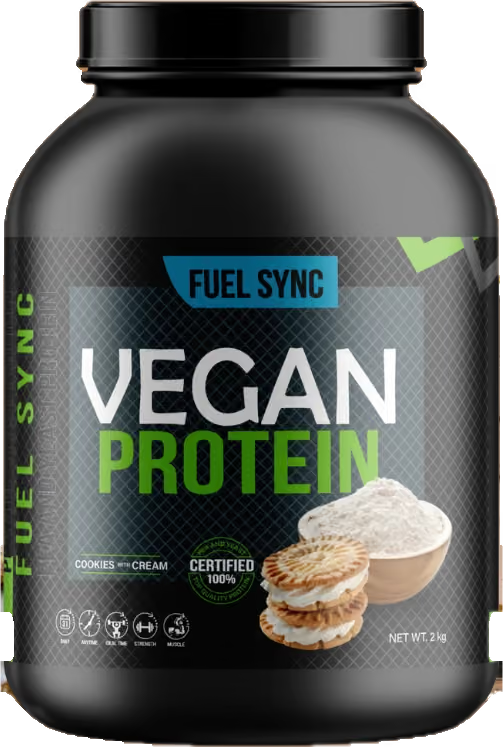
Some people prone to acne notice breakouts with whey or dairy. The evidence is limited and mostly observational, so it's not certain. If you notice a pattern, stop for a few weeks and see if your skin changes. A protein without milk, such as vegan protein, is an option if it does.
The best before date on protein powder is about quality, not safety. A sealed tub kept cool and dry is usually fine shortly after the date, but the taste may fade and the powder may clump.
Don't use protein powder that:
Usually a few hours. If it happens with every shake, run the test above to find the cause.
It's common at first, especially with milk or large servings. It usually settles within a week or two as your gut adjusts, or once you find the cause.
Drink it within an hour or two, and keep it cold. A milk-based shake left out in the Cyprus heat can spoil quickly.
A change in taste can mean the powder took in moisture or was stored somewhere warm. If it also smells off, don't use it.
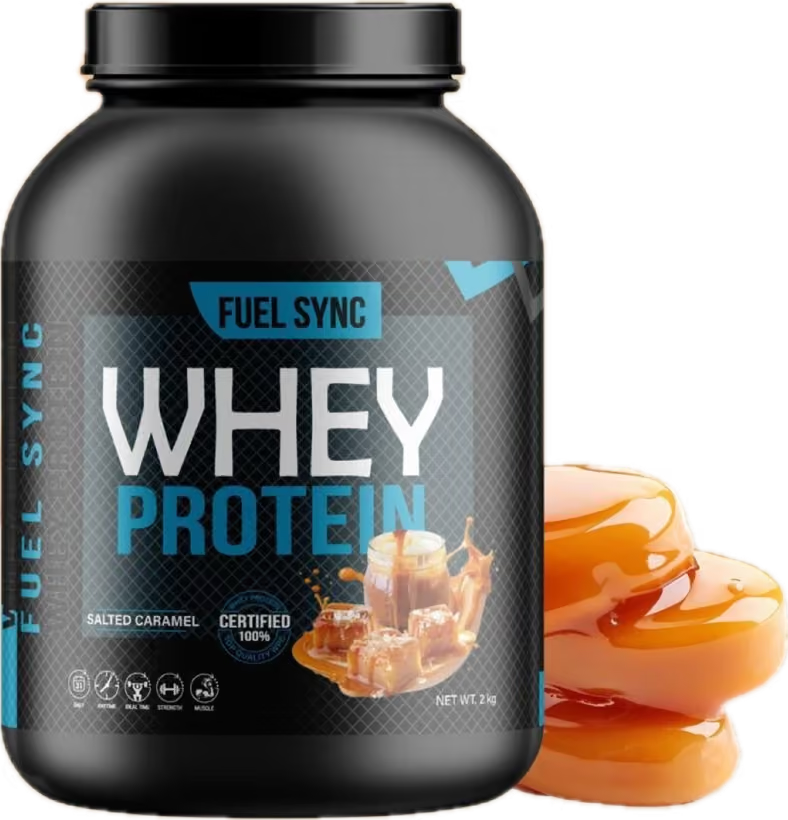
Our guide on how and when to take whey covers the routine that suits most people. If dairy is the problem, compare whey vs beef protein or try vegan protein.
Contents