Creatine for women
Creatine works the same for women: more from every set, no bulk, no change to hormones, and the same 3 to 5 g a day. The research so far, water weight, your cycle, menopause, safety and how much to take.
Creatine
Creatine works the same for women: more from every set, no bulk, no change to hormones, and the same 3 to 5 g a day. The research so far, water weight, your cycle, menopause, safety and how much to take.
Creatine
Creatine for women works the same way it does for men. It helps your muscles make energy for short, hard efforts, so you get a little more out of every set. It won't make you bulky, it doesn't change your hormones, and the dose is the same 3 to 5 g a day.
This guide covers what creatine does for women, the research so far, the water-weight worry, and when to check with a doctor first, with the figures from Fuel Sync's creatine labels.
Creatine tops up your muscles' fast energy store, phosphocreatine, so you can do one or two more reps, hold a heavy set a little longer, or recover faster between sprints. Over weeks, that extra work adds strength and lean muscle.
Women tend to eat less red meat and fish than men, the main food sources of creatine, and have less muscle overall. That means many women start with lower total creatine stores and have more room to top them up. Vegetarian and vegan women start lowest of all.
A 2021 review by Smith-Ryan and colleagues looked at creatine in women across their lifespan and found it was effective and well tolerated, with potential benefits beyond the gym that are still being studied.
No. Creatine doesn't build muscle on its own. It helps you do slightly more work in training, and your training and diet decide how your body changes.
Women build muscle more slowly than men because of hormones, so "bulky" by accident isn't a realistic risk. What most women notice is a little more strength and firmer-looking muscles.
Creatine pulls water into your muscle cells. That can add 1 to 2 kg on the scale in the first few weeks, but it's inside the muscle, not under the skin, so it doesn't look puffy.
To keep it small:
Creatine doesn't change oestrogen or other sex hormones, according to the 2021 review by Smith-Ryan and colleagues. You can take it every day of your cycle.
Some women notice they hold more water in the days before their period, with or without creatine. If the scale jumps then, it's usually your cycle, not your scoop.
Creatine is being studied for women after 40, because muscle and bone start to decline faster around menopause.
Some studies in women after menopause found creatine with strength training helped keep muscle strength, and a few found it slowed bone loss, but the results are mixed and research is ongoing. What's clear is that strength training matters most, and creatine may help you get more from it.
Creatine is one of the most researched supplements there is, and it's safe for healthy adult women at 3 to 5 g a day.
Speak to your doctor before taking creatine if you:
Creatine raises creatinine in blood tests, so tell your doctor you take it before any blood test.
Take 3 to 5 g of creatine monohydrate a day, every day, training days and rest days. There's no separate dose for women.
The time of day doesn't matter much. Taking it every day does. Our guide on how to take creatine covers timing, loading and mixing.
Creatine can add 1 to 2 kg of water in your muscles in the first weeks. It isn't fat. Over months, any extra weight comes from muscle you build by training.
It's most useful with strength training or sports with short bursts, such as padel, tennis or football. For gentle exercise alone, the benefit is smaller.
Yes. Daily use at 3 to 5 g is how creatine works, and it's safe for healthy adults over years.
Either. Research finds little difference. Pick the time you'll remember.
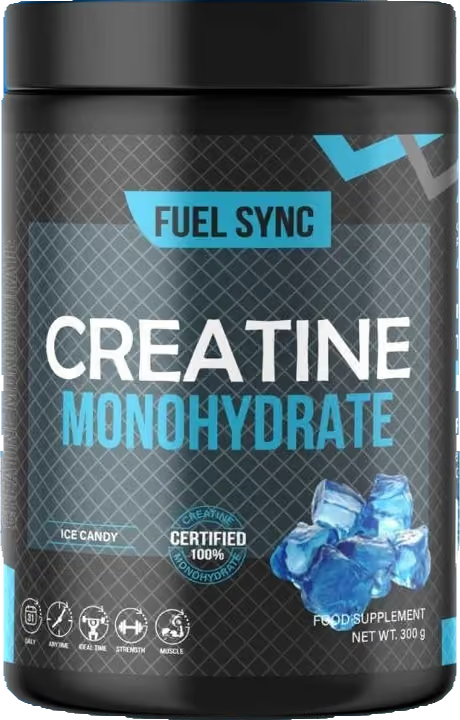
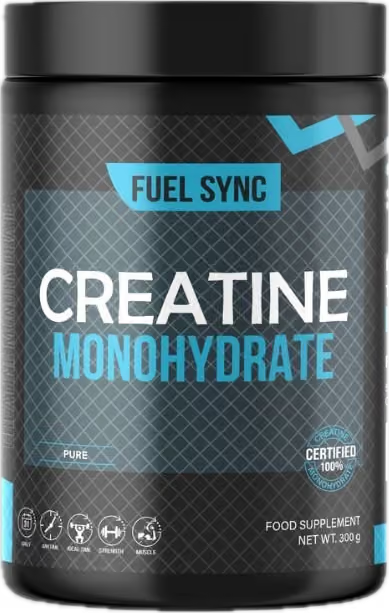
For the simplest option, choose pure creatine: one 5 g scoop a day with nothing added. To drink it on its own, choose flavoured creatine in four flavours. For the full picture, read creatine benefits and safety.
Contents